

 See My Latest Article on HelloNation
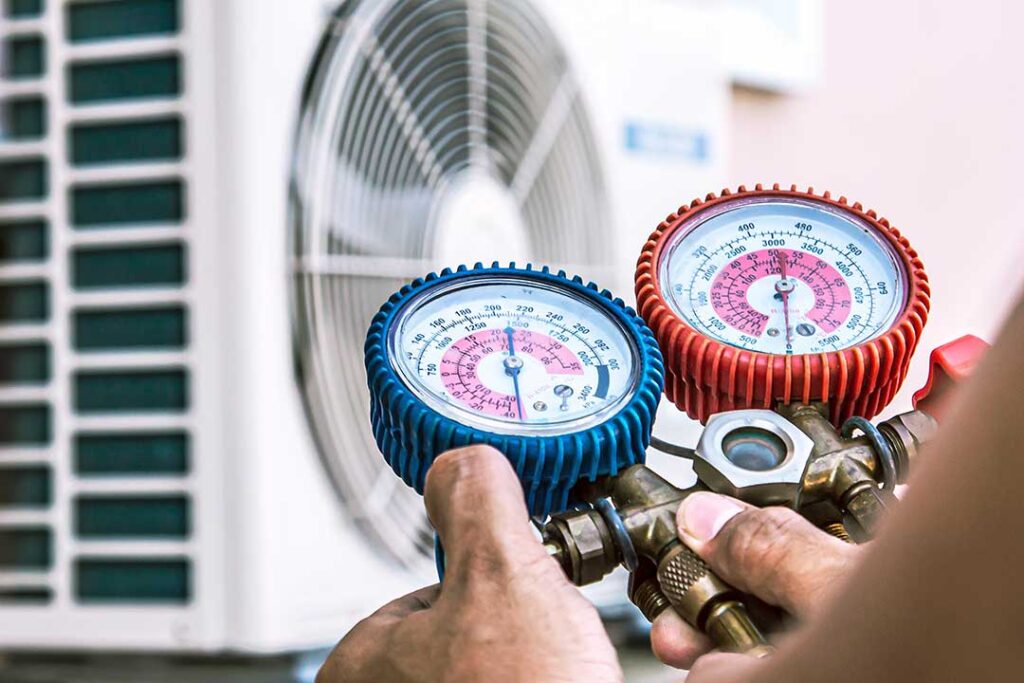
Why Is My AC Running but Not Cooling the House?
If your air conditioning system is running but your home still feels warm, there are a handful of common causes worth checking before assuming a major issue. In Madison, AL, where hot, humid summers are a normal part of life, even a couple hours without cooling can become uncomfortable.
The most frequent reasons for an AC that isn’t cooling include dirty air filters, thermostat missettings, blocked outdoor units, low refrigerant, or problems with electrical components. Some are simple fixes, while others may need technical attention.
Could a Simple Issue Be Causing the Problem?
Yes—many cooling problems start with small, fixable issues. Here’s what local residents should look for first:
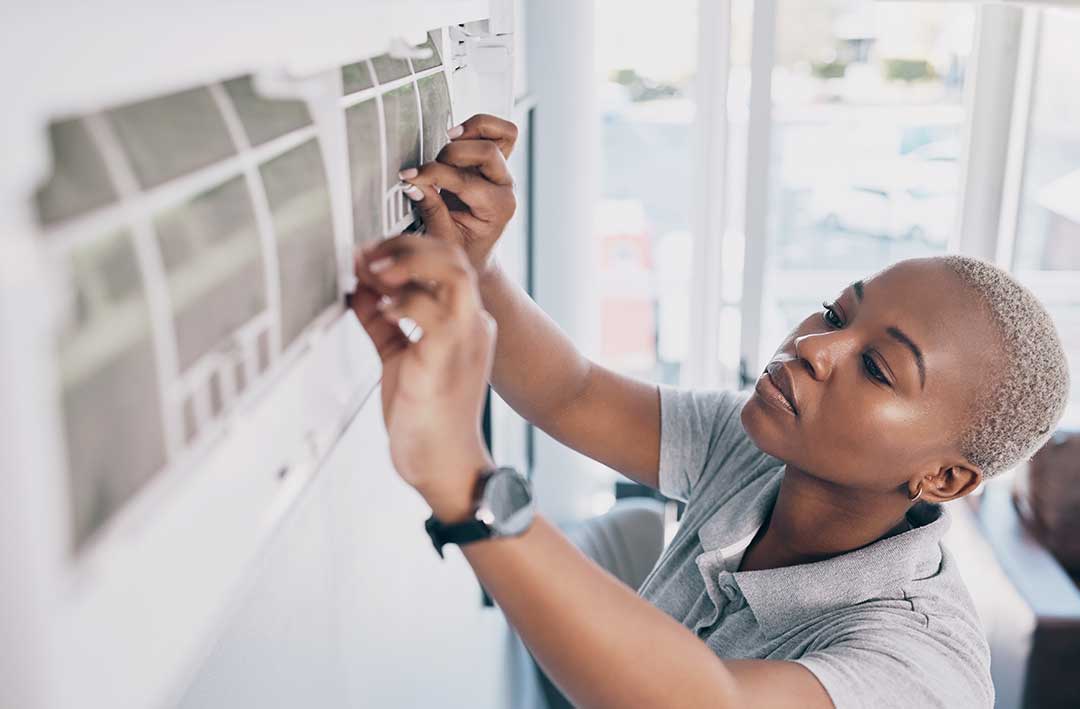
- Dirty or Clogged Air Filter: A filter packed with dust and pollen restricts airflow so cold air can’t circulate well inside. In this region, filters often clog up rapidly during pollen season or after dust storms.
- Thermostat Settings: Sometimes, the thermostat is set to “fan” instead of “cool,” or the temperature is set higher than you realize. Double-check that it’s programmed to cool and set below the current room temperature.
- Tripped Breaker or Power Issue: If the outdoor condenser unit loses power, the system may blow air without cooling it. Check the circuit breaker and confirm power is flowing to all components.
Replacing or cleaning filters, adjusting thermostat settings, and resetting tripped breakers are all safe troubleshooting steps for most area households.
How Does Outdoor Weather in Madison Affect AC Performance?
Hot and muggy weather typical of Madison’s summers puts extra demand on cooling equipment. The outdoor unit (condenser) has to release heat it draws from inside your house, and high humidity or blocked airflow outside can slow this process.
What to check outside:
- Blocked Condenser: Overgrown shrubs, yard debris, or accumulated grass clippings near the outdoor unit trap heat.
- Dirty Condenser Coils: After storms or weeks of pollen, coils can become clogged, making it harder for the unit to cool effectively.
- Direct Sunlight: Units in direct sun during the hottest part of the day may perform less efficiently.
Regularly clearing away debris and keeping plants trimmed back at least two feet from the unit are effective habits for home cooling in this area.
What Should I Do If the AC Is Blowing Warm Air?
If you notice warm air instead of cold, try these steps:
- Set the thermostat lower and see if the system responds.
- Listen for unusual noises from either the inside or outside unit.
- Inspect all vents to make sure they’re open and unobstructed.
- Feel the large insulated copper line going into the outside unit; if it’s not cold or sweating, that’s a clue to a possible refrigerant or airflow problem.
Don’t overlook the obvious: closed vents, furniture blocking airflow, or a thermostat in direct sunlight can easily cause parts of the home to feel hotter than expected.
When Is It a Refrigerant or Mechanical Problem?
If basic checks don’t restore cooling, consider the following:
- Low Refrigerant (Freon/R-410A): Loss of refrigerant can prevent cooling altogether. Tell-tale signs include ice building up on the coils or hissing noises. Refrigerant should not leak in a properly sealed system; this often signals a hidden mechanical issue.
- Frozen Evaporator Coils: In humid climates like north Alabama, coils can freeze due to airflow issues or low refrigerant, blocking cooling until they thaw.
- Faulty Compressor or Capacitors: If the outdoor unit’s fan is running but you don’t hear the usual hum or see the compressor kick in, a component may have failed.
Handling refrigerant and high-voltage parts is unsafe without proper training. For leaks, electrical smells, or persistent loss of cooling after all basic checks, professional assessment is the safest next step.
Is It Normal for ACs in Madison Homes to Struggle During Heat Waves?
AC units in this region are sized for local “design temperatures,” meaning they’re built to cool your home effectively under most summer conditions. However, during stretches of extreme heat or humidity—especially periods over 95°F and high dew points—systems may run for longer cycles and take more time to cool down, especially if the home has older insulation or single-pane windows.
Techniques to help your cooling system during heat waves:
- Close blinds and curtains in sun-facing rooms during peak hours.
- Avoid using the oven or dryer on hot afternoons.
- Use ceiling fans to circulate air—this makes rooms feel cooler even if the temperature is slightly higher.
These small actions can keep interiors more comfortable until outdoor temperatures moderate.
What Regular Maintenance Prevents Cooling Issues?
Routine homeowner maintenance goes a long way in preventing emergency breakdowns, especially before and during Madison’s long cooling season. Local households should:
- Change air filters at least every one to three months—monthly during heavy use or in homes with pets.
- Keep supply and return vents clean and unobstructed.
- Keep the outdoor condenser area clear, washing coils gently with a garden hose if there’s visible dirt or pollen.
- Inspect the thermostat annually and replace batteries if needed.
Skipping these steps is a major reason for reduced cooling and rising energy bills across the area.
What Problems Require Extra Caution or Expert Help?
While many AC issues are DIY-friendly, there are times when caution is warranted. If you experience any of the following, it’s safest to avoid further troubleshooting and seek qualified assistance:
- Burnt or electrical smells from equipment
- Evidence of smoke, sparks, or charred wires
- Refrigerant line icing that doesn’t resolve with filter and airflow checks
- Loud, persistent rattling or grinding noises
- Water leaking inside the home from the indoor unit
These signs may indicate the risk of fire, electrical shock, or water damage. Addressing such situations promptly helps protect both home and health.