

 See My Latest Article on HelloNation
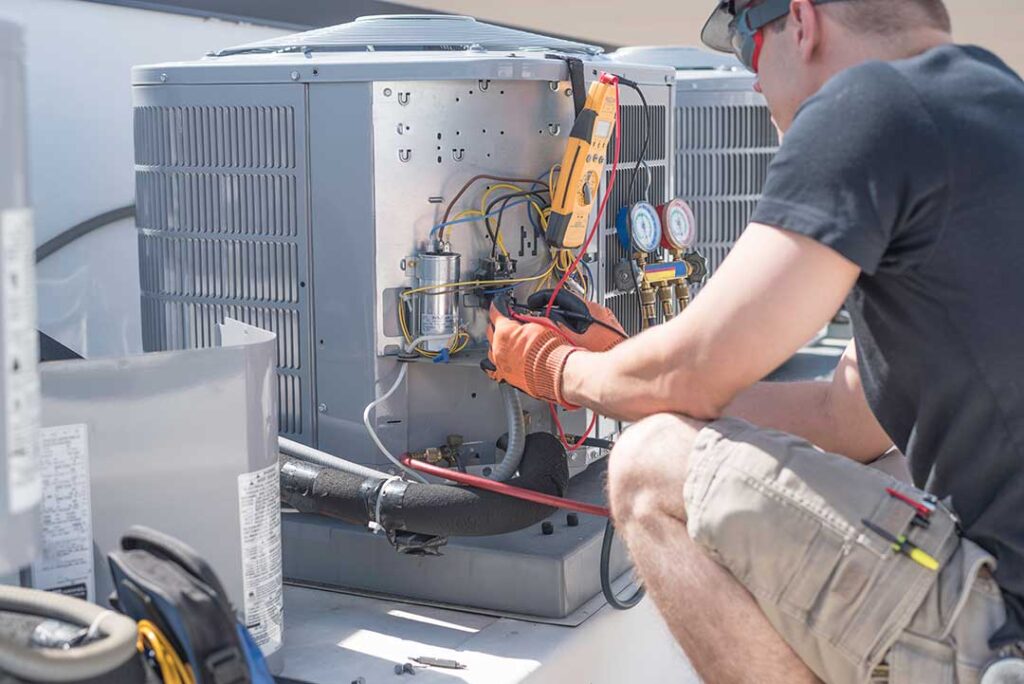
What Factors Determine the Price of a New HVAC System?
The total cost of installing a new HVAC system is influenced by a variety of factors, all of which are relevant to residents of Madison, AL. Key considerations include the size of your home, the type of system you choose, efficiency ratings, and the complexity of installation.
Several components play into price differences:
- Home size and layout: Larger homes require bigger or multiple units for even heating and cooling.
- Ductwork needs: Older or multi-story homes may require new or improved ductwork if existing ducts are outdated or leaky.
- System type: Options range from basic split systems to advanced heat pumps and zoned mini-split setups.
- Efficiency ratings: Higher SEER (Seasonal Energy Efficiency Ratio) or HSPF (Heating Seasonal Performance Factor) ratings usually raise the upfront cost, but may lower monthly energy bills.
- Local labor and permitting: Area labor rates, city permits, and safety requirements can affect the final price, especially if updates to electrical or gas lines are needed.
How Much Do Homeowners Typically Pay in the Community?
In Madison, cost ranges for a new HVAC system can vary widely, but most homeowners can expect total installed prices to fall somewhere between $6,000 and $14,000. Smaller homes or those needing only an air conditioner or furnace replacement may be at the lower end, while larger homes or those with special installation requirements could be higher.
What influences the range?
- A standard 3-ton central air system for a typical local home, with minimal ductwork updates, might be near $7,500-$9,500 installed.
- Energy-efficient systems with advanced features, like variable-speed compressors or smart thermostats, can exceed $12,000.
- New ductwork, multi-zone solutions, or replacing both the outdoor and indoor units at once can add significantly to costs.
Are There Hidden or Overlooked Costs?
The sticker price for a new system is rarely the full story. Residents sometimes overlook added costs such as:
- Permit fees required by the city
- Electrical upgrades for newer, high-efficiency models
- Removal and disposal of old equipment
- Thermostat replacement or rewiring
- Unexpected repairs if installers discover problems (like damaged ducts or hidden leaks) during the job
These additional expenses are more common in older homes or those that have not had a recent HVAC upgrade.
Does the Local Climate Affect the Type and Size Needed?
Absolutely. The community’s humid summers and periodic winter freezes mean local homes often need both efficient cooling and heating. Proper sizing is crucial: an undersized or oversized unit leads to poor comfort, higher energy bills, and shorter equipment lifespan.
Most area homes use heat pumps or traditional split systems. Local climate requires systems with robust humidity control, and high-efficiency units can offer noticeable savings during peak summer months, when air conditioners run hardest.
What About Long-Term Costs Beyond Installation?
The lifetime expense of an HVAC system doesn’t stop at installation. Key factors to keep in mind include:
- Maintenance: Regular filter changes and annual tune-ups are necessary to keep systems running efficiently.
- Energy bills: More efficient units consume less electricity, which matters during the hottest and coldest months.
- Repairs: Warranties can help, but older or lower-end systems may see more breakdowns or expensive repairs.
- Lifespan: Most HVAC units last 12–17 years. Investing in better efficiency and proper sizing usually extends service life.

Residents sometimes underestimate ongoing maintenance and the financial impact of running less efficient systems year after year.
Are Rebates or Tax Credits Available Locally?
Homeowners can sometimes reduce upfront costs with utility rebates or federal tax credits for installing higher-efficiency equipment. These programs change over time, so checking local utility programs or federal energy efficiency incentives before purchasing is worthwhile. Area climate and energy priorities mean that regional rebates often favor efficient heat pumps and systems exceeding minimum federal standards.
How to Decide What’s Worth the Extra Investment?
Not all features or models deliver the same value for local homes. Consider:
- SEER or HSPF efficiency ratings: Higher may save more over time, especially in homes with high annual cooling or heating needs.
- Two-stage or variable-speed motors: These provide more consistent temperatures and better humidity control, which can improve comfort in the area’s humid summers.
- Programmable thermostats: These simple upgrades can lower annual operating costs with minimal upfront investment.
Weigh these upgrades against your realistic energy usage, home size, and how long you plan to stay in your current home.
Common Misconceptions About System Replacement
Many residents expect that “bigger is better” when choosing a new system, but oversizing leads to frequent cycling, uneven temperatures, and wasted energy. It’s also a misconception that replacing only the furnace or only the air conditioner saves money—matched indoor and outdoor units typically deliver better efficiency and reliability over time.
Homeowners sometimes assume old ducts are always fine, not realizing that decades-old or poorly sealed ducts can waste up to 30% of conditioned air, impacting both comfort and utility bills.
Practical Example: Typical Home Scenario
A two-story, 2,400-square-foot house with original 20-year-old HVAC equipment in the community:
- Needs a complete replacement with updated ductwork and a high-efficiency heat pump system
- Permit and basic electrical upgrade are required
- Quotes range from $11,000 to $14,000, depending on efficiency, thermostat choice, and any extra zone controls
This example illustrates how costs add up—beyond just the price tag for new equipment.