

 See My Latest Article on HelloNation
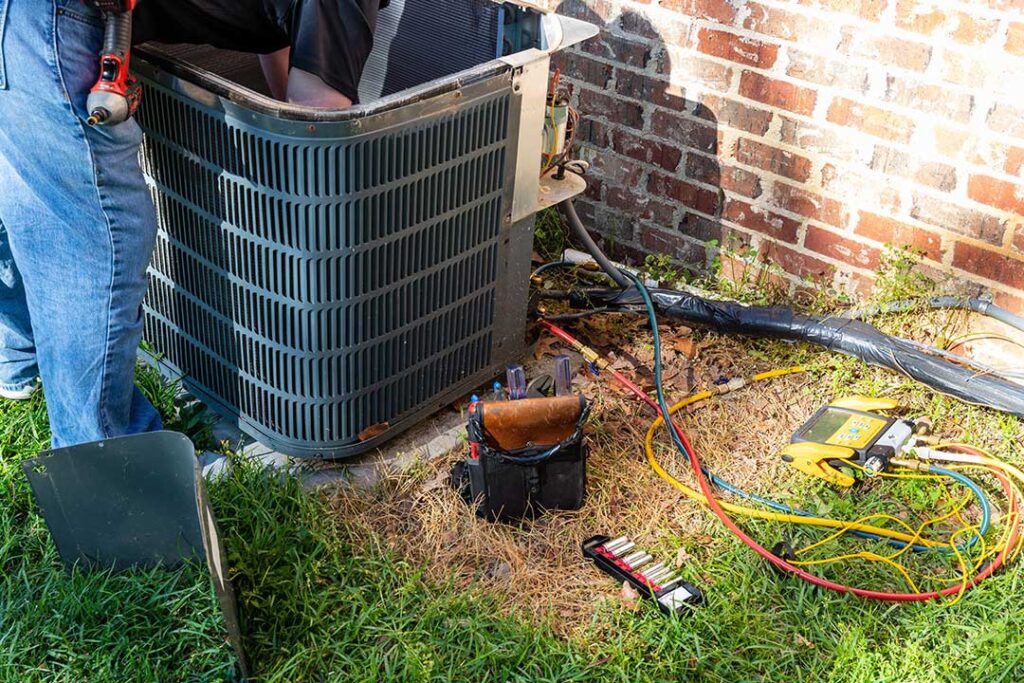
Can Duct Cleaning Really Improve Indoor Air Quality?
Duct cleaning has the potential to make a noticeable difference in indoor air quality under certain conditions. For homes in Madison, AL, where seasonal humidity and pollen are common, dust and debris can accumulate in ductwork over time. If the buildup is significant or contains allergens, cleaning it can reduce the movement of these particles into living spaces.
That said, not every household stands to benefit equally. If the system is properly maintained, well-sealed, and free from visible dust or mold, routine cleaning may offer little to no measurable change in air quality.
What Actually Gets Removed During Duct Cleaning?
Most standard duct cleaning involves removing accumulated dust, dander, and other particulates that settle inside the air ducts of a central heating and cooling system. In the Madison area, this can include:
- Common household dust
- Pet hair and dander, particularly in multi-pet homes
- Pollen and outdoor debris, brought inside on shoes or through windows
- Small particles from indoor activities, such as home improvement projects
Special situations, such as discovering mold growth or the presence of rodents, make cleaning more critical. In these cases, removal of biological contaminants can make a meaningful difference for sensitive individuals.
Who Is Most Likely to Notice a Difference?
Residents are most likely to notice improvements in air quality after duct cleaning if:
- There has been significant construction, remodeling, or dust-generating activities indoors
- Pets are present and shedding fur or dander
- The system contains visible mold, or a musty odor is persistent in the home
- There are family members with allergies, asthma, or respiratory conditions
However, in houses where the ductwork is already relatively clean and the ventilation system is regularly maintained, improvements may be subtle.
How Does Madison’s Climate Impact the Need for Duct Cleaning?
The warm, humid climate of Madison can promote the growth of mold or mildew when moisture enters air ducts—especially if insulation or seals are failing. In addition, high pollen counts during spring and fall contribute to faster accumulation of outdoor particles inside the ductwork.
Local homes often switch between heating and cooling modes throughout the year. This frequent cycling can pull debris from living spaces into ducts, particularly if filters are overdue for replacement or return air vents are not regularly cleaned.
Are There Risks or Downsides to Unnecessary Duct Cleaning?
Cleaning ducts without a clear need can sometimes do more harm than good. Improper methods may dislodge asbestos insulation (in older homes), damage ductwork, or introduce dust into the air if equipment lacks adequate filtration.
Unnecessary disturbance of ducts—especially if the system is otherwise clean—rarely provides benefits, and can be a waste of time, money, and effort. Local guidelines do not require routine duct cleaning; instead, the focus should be on actual indoor air quality issues.
What Are Common Signs That Duct Cleaning May Be Worthwhile?
A few clear indicators suggest it’s time to consider cleaning ducts in a Madison home:
- Visible, thick dust buildup inside register or vent openings
- Signs of mold inside ducts or on HVAC components
- Noticeable increase in dust settling on surfaces shortly after cleaning
- Evidence of rodent or insect activity inside the system
- Unexplained, persistent allergy or respiratory symptoms among household members

Before deciding, residents can check supply and return air grilles with a flashlight, or gently wipe a finger across the opening to check for heavy dust presence.
How Can Residents Minimize Duct Contamination Year-Round?
Regular heating and cooling maintenance, paired with a few household habits, goes a long way in keeping ducts clean:
- Change air filters as recommended—often every 1 to 3 months, especially during high pollen or heavy use periods
- Keep registers, vents, and return air grilles vacuumed and dusted
- Address water leaks or condensation quickly to avoid moisture buildup
- Promptly fix gaps or breaks in duct insulation and connections
- Minimize clutter and dust on floors, especially near return air intakes
Reducing sources of indoor airborne particles—such as using exhaust fans during cooking or showering, and keeping windows closed during peak pollen seasons—can also lower the amount of debris entering the system.
What Are Common Misconceptions About Duct Cleaning?
Many residents believe that duct cleaning is necessary on a set schedule, but this is not typically supported by neutral experts or public health guidelines for most homes. Other misconceptions include:
- Believing duct cleaning will completely eliminate allergy symptoms—while it may help reduce triggers, it rarely solves the underlying source
- Expecting all household dust issues to disappear—much dust settles from daily life and is not solely due to duct contamination
- Thinking ducts are always filled with visible debris—in fact, well-maintained systems often contain less buildup than assumed
Understanding what problems duct cleaning can (and cannot) solve leads to more informed choices for maintaining healthy air indoors.
When Should Residents Seek Further Assessment for Air Quality Concerns?
In rare cases, persistent respiratory issues, unusual smells, or evidence of mold may require professional inspection, particularly if self-checks reveal underlying problems not easily resolved through basic maintenance. Residents should also be aware of signs like visible mold or significant dust in new construction homes or after major renovations, as these situations may warrant a closer look at the ventilation system.