

 See My Latest Article on HelloNation
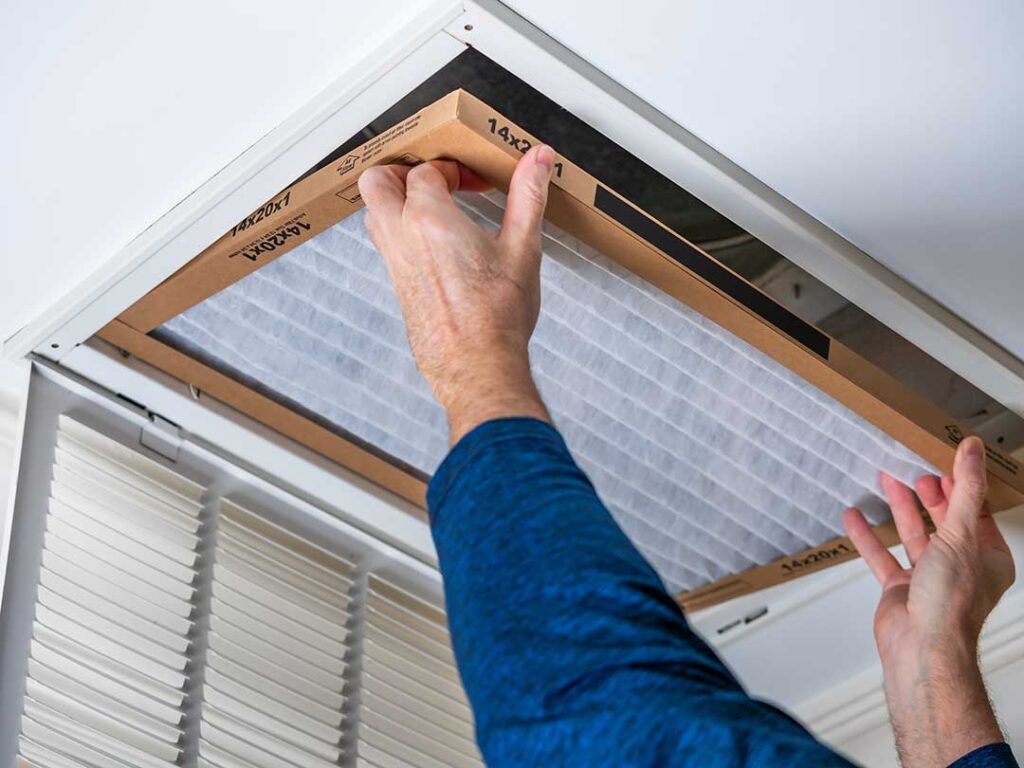
What Routine HVAC Tasks Can Homeowners Safely Manage?
Homeowners in Madison, AL can handle several straightforward maintenance steps to support reliable heating and cooling performance through the year. These actions do not require specialized tools and can help the system run smoothly between professional inspections.
- Change or clean air filters every 1–3 months, especially during peak AC or heating season. Dirty filters reduce airflow and increase strain on the system.
- Keep supply and return vents clear from furniture, drapes, and dust buildup.
- Gently clean dust and debris from vent covers using a vacuum brush.
Neglecting these basics is one of the most common reasons for weak airflow and unexplained changes in comfort.
Why Is Seasonal Upkeep Especially Important In This Area?
The seasonal weather in Madison brings humid summers and fluctuating winter temperatures, stressing both air conditioners and heaters. High pollen counts and airborne dust can quickly clog filters and coils. A blocked or clogged unit works harder to maintain indoor comfort, shortens its lifespan, and can cause unexpected spikes in energy use.
- Spring: Clearing away winter debris and checking for rodent or insect nests in and around outdoor units helps prevent early summer malfunctions.
- Fall: Removing leaves, pollen, and grass clippings from around outdoor heat pumps or AC condensers improves cold-weather performance.
Scheduling basic checks at the start of each major season ensures the system adjusts smoothly as local temperatures rise and fall.
How Should Homeowners Care for Outdoor Units?
Outdoor HVAC equipment can become blocked by plants, grass clippings, and outdoor clutter. Safe maintenance steps include:
- Gently rinse off coils and fan grill with a garden hose (not a pressure washer) after shutting power to the unit.
- Trim shrubs, remove weeds, and maintain a clear two-foot radius around each side of the condenser.
- After storms, check for limbs, litter, or animal nests packed against the housing.
It’s safe to wipe down or hose off exterior panels, but avoid opening panels or reaching into electrical spaces.
What Indoor Tasks Prevent Trouble?
Indoor work is mostly centered on airflow and keeping components clean.
- Change filters as soon as they appear gray or after home improvement projects that generate dust.
- Keep intake and return air vents open and unobstructed in every occupied room.
- Listen for unexpected noises or unusually long run times—a sign something may need closer attention.
Changing the thermostat batteries annually and double-checking settings before each cooling and heating season can also prevent avoidable breakdowns.
How Can Area Residents Spot Common Issues Early?
Homeowners sometimes overlook issues like:
- Persistent hot or cold spots in certain rooms
- Odd odors from vents, especially musty or burning smells
- Higher energy bills without a clear cause
Don’t assume these are just quirks of the house. Check for closed or blocked vents, full filters, or clogged outdoor units. If the issue remains, consider that equipment could be straining due to unseen causes, like duct leaks or failing components.
What Should Not Be Handled Without Help?

While most filter and exterior cleaning is safe for homeowners, some tasks must be left alone for safety or warranty reasons:
- Opening sealed electrical panels or refrigerant lines
- Using chemical coil cleaners unless clearly labeled for homeowner use
- Trying to repair moving parts, belts, or blower components
Electrical hazards, risk of voiding warranties, or accidental damage are the main reasons to steer clear of deeper repairs.
How Does Madison’s Climate Affect Filter Choice and Maintenance?
Local homes benefit from filters designed to trap Alabama’s high pollen, dust, and outdoor allergens. Fiberglass filters catch larger particles but typically need more frequent replacement. Pleated filters offer better filtration, especially during spring and early summer, but can get clogged faster in dusty conditions.
During peak pollen or construction season, area households may prefer checking filters monthly. Homes with pets or allergy-sensitive residents also need more frequent filter checks.
Are There Misconceptions That Lead to HVAC Problems?
Yes, several widespread beliefs can lead to trouble:
- "Closing vents in unused rooms saves energy"—In reality, it can cause pressure imbalance and strain on system components.
- "Bigger filters or higher MERV rating is always better"—Some filters can restrict airflow if the system isn’t designed for them, actually reducing performance.
- "AC should run constantly during a hot spell"—Oversized or poorly maintained units can short-cycle, leading to increased wear and uneven cooling.
Understanding these points helps homeowners avoid accidentally creating issues for their own systems.
What Small Steps Do the Most to Prevent Breakdowns?
For residents of the city, consistency and attention to household habits are the most effective defenses against breakdowns:
- Mark filter changes on a calendar or set a smartphone reminder.
- Check for leaves and debris outside after lawn mowing or storms.
- Listen for unusual sounds and investigate promptly.
Even a well-installed HVAC system depends on these routine touchpoints to remain dependable. By combining seasonal checks with awareness of household changes, Madison area homeowners can make their homes more comfortable and energy-efficient year-round.