

 See My Latest Article on HelloNation
What Temperature Is Best for Summer Comfort in Madison, AL?
Setting the thermostat in summer is about balancing comfort with energy savings. In Madison, AL, where summer highs often reach the upper 80s to low 90s with high humidity, most residents find a thermostat setting of 76–78°F comfortable when home and awake.
For those willing to tolerate a bit more warmth to conserve energy, 78°F is recommended by many energy organizations. Every degree above typical room temperature (72°F) can translate into noticeable savings on energy bills.
At night or when away, setting the thermostat higher—around 82–85°F—reduces air conditioner run-times and energy use.
- Example: If you are typically in your home from 5–10 p.m., set the thermostat to 78°F during those hours, and program it to rise to 85°F while you’re at work or asleep.
Adjustments depend on factors such as:
- Personal comfort preferences
- How well-insulated your home is
- Whether you use ceiling fans or close blinds during the day
Many local homes, especially older ones, may lose cool air easily, so setting the thermostat too low can result in high bills without much added comfort.
What's the Ideal Winter Thermostat Setting for Madison Residents?
For Madison winters, maintaining warmth while staying efficient is the priority. The most commonly recommended setting is 68–70°F during waking hours when people are at home.
If you’re comfortable adding an extra layer or using blankets, 68°F can keep heating costs in check. Lowering the thermostat 7–10 degrees overnight or when away (as low as 60–64°F) offers additional savings without substantial discomfort.
- Example: Set the thermostat to 70°F in the evening while active, then lower it to 63°F when everyone is sleeping.
Unexpected cold snaps are part of local winters, so residents in newer, tightly-sealed homes may need fewer adjustments. For homes that feel drafty, using weatherstrips or heavy curtains can help the chosen setting feel more comfortable.
Is It Worth Using a Programmable or Smart Thermostat in the Area?
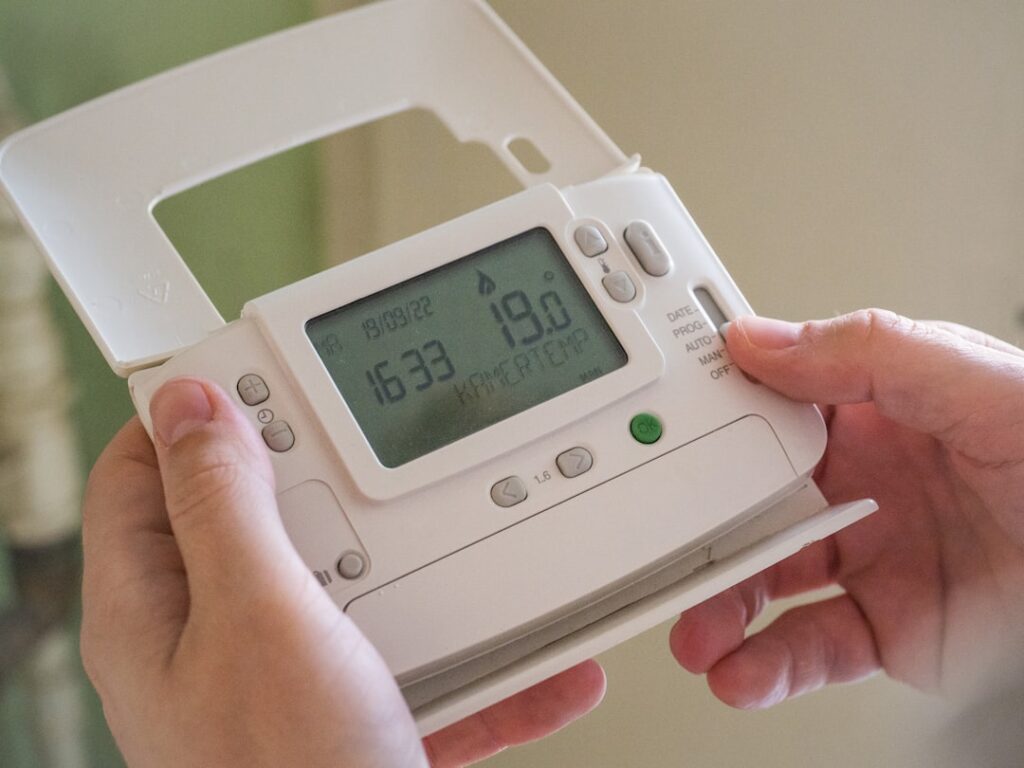
Yes, programmable and smart thermostats are especially helpful in Madison households, where both temperature and humidity can swing sharply with the seasons. These thermostats help automate changes, so you're not constantly making manual adjustments.
Programming schedules based on typical routines—away during most weekdays, home evenings and weekends—can cut unnecessary heating or cooling. Smart thermostats can even adapt to fluctuating weather or remind you to adjust settings when seasons change.
Common schedule for a local family:
- Weekdays: Cooler during work hours in winter; warmer during day in summer
- Evenings/mornings: Comfort settings while home and awake
- Weekends: Fewer set-backs if the house is occupied more
Smart thermostats can also address one common problem in the area: brief but extreme changes in weather. Remote access lets residents adjust settings if the forecast suddenly shifts.
Do Different House Types in Madison Need Different Thermostat Strategies?
Yes, the best setting sometimes depends on your type of home. In single-family homes, especially those built more recently, insulation and new windows may keep temperatures stable, so changing the thermostat by a few degrees makes a real difference. In older or draftier homes, air leaks may make it harder to maintain a set temperature, so it might be necessary to experiment with smaller adjustments.
Townhouses, apartments, or condos, which may share walls with neighbors, could require less heating in winter, since shared walls help retain warmth.
- Residents in two-story homes may find that upstairs rooms are warmer in summer and cooler in winter; using fans, adjusting vents, and making targeted thermostat changes can help even out comfort levels.

How Does Humidity Affect Thermostat Choices in Madison?
Humidity is a major factor throughout the year. During humid summer months, higher indoor humidity can make the air feel warmer than the thermostat reads. Lowering humidity by running the AC or a dehumidifier can let residents set the thermostat a bit higher while still feeling cool.
In winter, local air tends to dry out. Adding humidity—by running a humidifier or simply leaving the bathroom door open after showers—can make lower thermostat settings feel more comfortable.
Common misconception: Setting the air conditioner very low will “dehumidify” more. In reality, your AC will only remove so much moisture before running inefficiently or causing cold spots. Moderating both humidity and temperature delivers better comfort and efficiency.
What Are Misconceptions About Adjusting the Thermostat?
A few myths often lead to wasted energy or less comfort for area residents:
- Setting the thermostat extremely low or high doesn't cool or heat your home faster. It only makes the equipment run longer, often overshooting the intended comfort level.
- Shutting the system off for short absences (like errands) doesn’t save much; instead, use slight setbacks—just a few degrees off the normal setting.
- Setting the temperature the same all day and night ignores energy savings possible when away or asleep.
Smart scheduling that matches your daily routine—and understanding how quickly your home heats or cools—maintains comfort while avoiding unnecessary costs.
Can Ceiling Fans and Other Tricks Help Residents Use Higher Thermostat Settings?
Ceiling fans help circulate air, making a room feel cooler or warmer depending on the season. In summer, running a fan counter-clockwise creates a breeze that makes you feel cooler, allowing you to raise the thermostat a few degrees. In winter, reversing the fan helps push warm air down from the ceiling.
Other practical habits for comfort include:
- Closing blinds or curtains on hot afternoons to block sunlight
- Draft-proofing doors and windows in winter to keep warm air inside
- Using area rugs on tile or hardwood floors for added warmth underfoot
Combining these strategies with mindful thermostat adjustments allows area households to stay comfortable in all seasons—and often with lower energy bills.