

 See My Latest Article on HelloNation
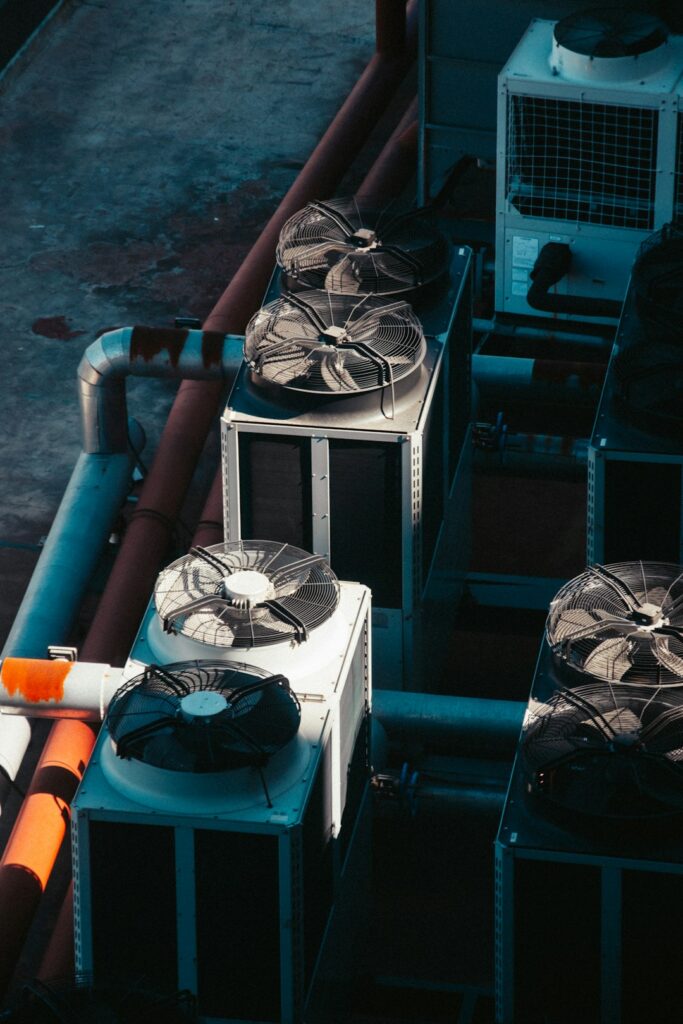
How Can You Tell If Your Air Conditioner Isn’t Working Right?
A properly working air conditioner should cool your home efficiently, run quietly, and cycle on and off in steady intervals. If it starts acting differently, local residents often wonder if it’s just the heat, humidity, or a signal that something’s wrong. A few telltale signs can indicate your system needs attention.
Why Is My Home Not Cooling Evenly?
When certain rooms in a Madison home feel hotter or more humid than others, it can signal trouble. Local humidity, insulation differences, and sun exposure affect room temperatures, but significant changes often mean an issue with the equipment.
- If you notice some rooms are consistently uncomfortable, check vents and windows first.
- If airflow feels weak or the thermostat setting doesn't match the actual temperature, the system may be struggling.
- Long cooling cycles—where the equipment runs without satisfying the thermostat—often indicate low refrigerant, a clogged filter, or compressor issues.
Ignoring uneven cooling can waste energy and shorten equipment life.
What Noises Suggest the AC Needs Repair?
Unusual sounds are a common reason homeowners in the city start worrying about their air conditioners.
- Clanging or banging: Can indicate a loose or broken part inside the unit.
- Hissing or bubbling: Might signal refrigerant leaks—a problem that shouldn’t be ignored due to environmental and performance issues.
- Squealing: May relate to worn belts or bearings.
- Clicking or constant cycling: Can suggest electrical, wiring, or relay issues.
Homes in established neighborhoods with older equipment may hear new noises as components wear out.
Are Bad Smells from the Vents Cause for Concern?
Unpleasant odors, especially when the air conditioning first turns on after months of disuse, often get overlooked. But persistent or strong smells should be addressed.
- Musty or moldy odors may result from excess moisture, clogged drain lines, or mold in ductwork—especially common in humid Madison summers.
- Burning or chemical-like smells can signal overheating, wiring issues, or problems with insulation within the unit.
Always turn off the system if you smell burning, as electrical dangers are possible.
Should I Worry If My AC Is Constantly Running?
Constant operation is a frequent complaint, especially on muggy Alabama afternoons. But ACs designed for area homes are sized for typical weather and should cycle off after reaching the set temperature.
- If the system runs without pause, investigate blocked airflow, dirty filters, low refrigerant, or thermostat miscalibration.
- Older homes with recent renovations sometimes have “overworked” systems if insulation or window upgrades change how quickly rooms heat up.
Continuous running almost always raises utility costs and can wear out the compressor or blower motor.
When Does Increased Humidity Signal Trouble?
Modern air conditioners both cool and dehumidify, which matters in steamy local conditions. If your home feels clammy, even when the temperature is “cold,” it could mean:
- The AC isn’t removing enough moisture due to mechanical or refrigerant issues.
- Ductwork leaks or poor ventilation are allowing humid outdoor air into the living spaces.
- Improperly sized equipment—too large a unit can cool down air too quickly without removing enough moisture.
Persistent humidity indoors can contribute to mold, dust mites, and discomfort.
What Are Common Visual Warning Signs on the Equipment?
Some issues can be spotted without opening the indoor or outdoor units.
- Pools of water or ice forming on or near the equipment may point to clogged condensate drains, low refrigerant, or blocked airflow.
- Frost or ice on the refrigerant lines is almost always a sign of trouble—not normal, even during peak use.
- Rust, corrosion, or accidental damage (like from yard equipment or pets) can impact both performance and safety.
Residents who perform exterior checks may catch issues before they cause breakdowns.

Is Poor Airflow Always a Problem?
Weak airflow from registers often leads to complaints during the hottest weeks in the city. While simple filter replacements are sometimes the fix, limited airflow also results from:
- Blocked or closed vents (sometimes done to “redirect” air, which rarely helps)
- Ductwork leaks or disconnected sections—especially common after attic or crawl space work
- Failing blower motors or fan belts
If boosting fan speed or opening vents doesn’t solve the problem, further inspection is needed.
Why Does the Thermostat Reading Feel Off?
Thermostat problems are overlooked but frequently cause discomfort and wasted energy. If your thermostat isn’t keeping accurate temperature, try:
- Checking if it’s located near direct sunlight, appliances, or drafty vents—locations that skew readings
- Replacing batteries or recalibrating the device if it’s been several years since installation
- Verifying programming, especially after power outages common during summer storms in the area
A well-calibrated thermostat is essential for reliable cooling cycles.
Are There Local Conditions That Make Repairs More Likely?
Seasonal weather in Madison puts extra demands on air conditioners, especially during humid stretches or after sudden temperature swings. Other local factors include:
- Pollen and dust: Spring and summer blooms can clog filters and coils, reducing efficiency.
- Variable weather: Fast changes from cool mornings to hot afternoons require frequent cycling, which can accelerate wear on parts.
- Power fluctuations: Occasional storms and grid issues can affect sensitive electronics inside modern AC units.
Homes near new development, older tree-lined streets, or with lots of foot traffic may need more frequent maintenance.
What Common Misconceptions Can Delay Repairs?
Many residents hope minor changes in performance will “work themselves out,” but waiting too long rarely pays off.
- “It’s just hot today—maybe the AC can’t keep up.” While occasional struggles are normal, repeated cooling trouble usually signals a fixable issue.
- “I just changed the filter, so it can’t be the AC.” Filters help, but other parts may still require service.
- “If I turn the system off and on, maybe it will fix itself.” Power cycling can occasionally clear minor electronic glitches but won’t solve mechanical or refrigerant problems.
Timely attention to warning signs keeps homes comfortable during the region’s longest, hottest months.