

 See My Latest Article on HelloNation
Why Does Indoor Air Quality Matter for Residents in Madison, AL?
Good indoor air quality affects the everyday health, comfort, and wellbeing of everyone at home. In Madison, AL, with its mix of humid summers and mild winters, homes are often closed up against heat, pollen, and outdoor allergens—sometimes trapping pollutants inside. Short- and long-term exposure to airborne particles, mold, or other irritants may lead to allergy symptoms, respiratory issues, and worsened asthma, especially for children and older adults.
What Are Common Sources of Indoor Air Pollution in Local Homes?
Indoor air contaminants in the area often come from both inside and outside the house. In Madison, pollen, humidity, and agricultural dust are common outdoor sources. Indoors, everyday activities and household products contribute:
- Cooking (especially with gas)
- Pet dander and hair
- Mold spores (more likely in damp corners or after heavy rain)
- Off-gassing from furniture, carpets, or new paint
- Tobacco smoke (if present)
- Regular use of candles, air fresheners, or cleaning sprays
Home design also plays a role—many houses built for energy efficiency are tightly sealed, which can reduce fresh airflow.
How Can Opening Windows Impact Air Quality in Madison?
Letting in fresh air is often the simplest step, but it isn’t always clear-cut. In Madison, opening windows is most helpful during times of mild outdoor pollen counts and lower humidity, usually in early spring or late fall.
Airing out a home for just 10–15 minutes when outdoor conditions are favorable can noticeably lower indoor pollutants. However, during high pollen seasons, on very humid or smoggy days, or when nearby outdoor activities (like lawn treatments or construction) raise dust levels, it’s safer to rely on other ventilation methods.
How Does Regular HVAC Maintenance Help?
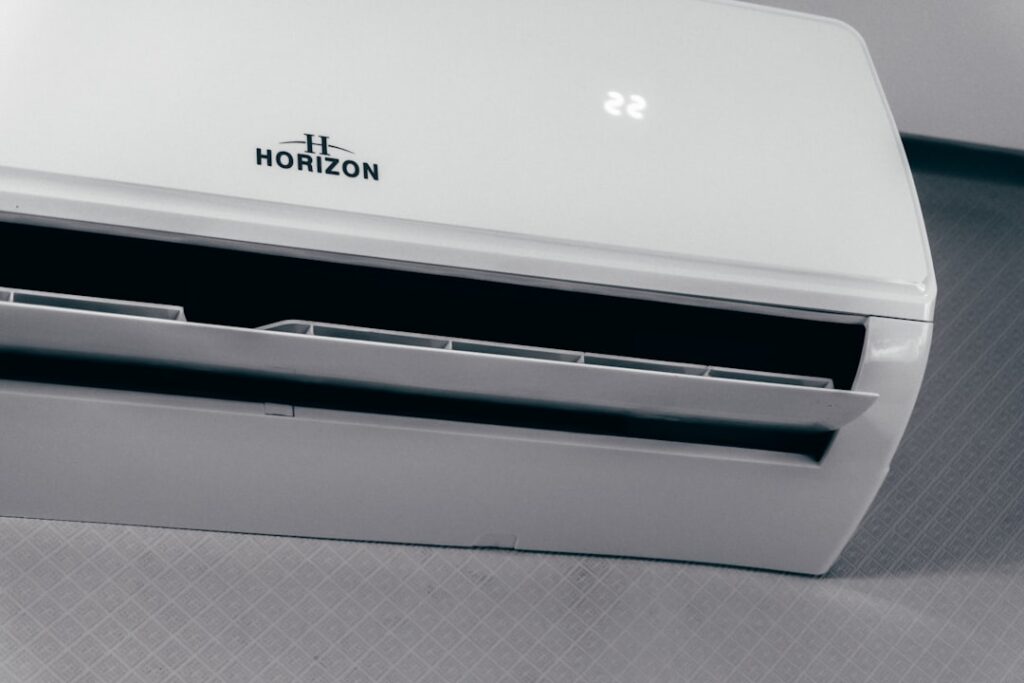
Routine care of heating and cooling equipment makes a measurable difference in air quality. For most households in Madison, regularly changing air filters is one of the most effective steps. Filters that are clogged or overdue for replacement no longer trap dust, pet hair, and pollen efficiently and may even contribute to recirculating these particles around the home.
HVAC systems should be checked seasonally for:
- Dirty or clogged filters (replace per manufacturer’s guidance, often every 1-3 months)
- Blocked or dusty vents and registers
- Any signs of mold or moisture around indoor units or ductwork
Homes with pets, allergy or asthma sufferers, or ongoing remodeling projects benefit from more frequent filter checks.
Are Air Purifiers Useful for Local Households?
Air purifiers can help remove particles like dust, pollen, and pet dander from a room’s air. In Madison, these devices may be especially useful in bedrooms during high pollen seasons or if anyone in the home has allergies or breathing issues.
When choosing a purifier, look for devices with a HEPA filter (not just ionic or UV-based units). However, even the best purifier won’t resolve problems stemming from ongoing indoor pollution sources or unmanaged humidity.
How Does Humidity Affect Indoor Air Quality Locally?
Humidity in the region can swing from muggy in summer to drier in winter. Managing moisture indoors is essential to prevent mold and dust mites, both of which thrive in high humidity.
- Keep household humidity between 30–50%
- Use exhaust fans when cooking or showering
- Address any leaks or condensation quickly (especially in basements or bathrooms)
- Use dehumidifiers as needed, particularly during wet summer months
Residents often don’t realize the link between persistent dampness and poor air quality until mold or musty odors appear.
How Does Cleaning Habits Influence Indoor Air Quality?
Regular cleaning reduces dust, allergens, and chemical residues throughout the home. For residents in Madison, this includes:

- Vacuuming with a HEPA-filter vacuum (especially carpets and upholstered furniture)
- Damp dusting rather than dry dusting, to avoid stirring up particles
- Washing bedding and curtains regularly in hot water
- Avoiding overuse of scented sprays or candles, as these can add to indoor particulate levels
Choosing less-chemical-intensive cleaning products and skipping aerosol sprays can also help minimize unwanted residues in the air.
Should You Be Concerned About Radon or Carbon Monoxide?
Radon and carbon monoxide are colorless, odorless gases that can be found in any local home. Radon is naturally occurring and can enter homes through foundations. Carbon monoxide comes from malfunctioning fuel-burning appliances.
- Carbon monoxide detectors are required by law in many areas—and are a simple safety addition near sleeping areas and furnaces
- Radon testing can be done with inexpensive kits from hardware stores or local health agencies
- Areas around Madison generally have low-to-moderate radon risk, but testing provides peace of mind, especially in homes with basements
High levels of either gas require prompt action to ensure safety, but annual checks are sufficient for most households.
What Are Some Overlooked Contributors to Poor Air Quality?
Certain factors are easy to forget, yet they can impact home air significantly:
- Storing or using chemicals (like paints, solvents, or gasoline containers) indoors or in attached garages
- Running vehicles or gas-powered tools in attached garages without proper ventilation
- Bringing in items that trap allergens or chemicals, such as some scented products or new furniture made with pressed wood
Awareness of these less obvious sources helps residents reduce overall exposure.
How Does Outdoor Air Quality in Madison Affect What Comes Inside?
Local air quality reports often signal when it’s better to keep windows closed—typically during spring pollen seasons, or in the rare event of wildfire smoke or ozone alerts. Checking daily outdoor air quality forecasts from public health agencies or weather services makes it easier to plan indoor ventilation safely.
In summary, simple habits—regular filter changes, targeted ventilation, and moisture control—go a long way to maintain safe, comfortable air at home in Madison.