

 See My Latest Article on HelloNation
What Are the Most Common Reasons for Higher Utility Costs?
Energy bills in Madison, AL can fluctuate significantly over the seasons. Rising costs often prompt residents to ask why their home energy use seems unusually high, even if their routines haven’t changed. Several local factors contribute to this trend, including weather, home efficiency, and how heating and cooling systems are managed.
In the Tennessee Valley climate, summer humidity and winter cold spells both push HVAC systems harder. However, inflated bills can also signal issues with insulation, thermostat settings, or even appliance habits. Understanding these factors helps area homeowners make meaningful changes.
How Do Heating and Cooling Habits Affect Local Energy Use?
Heating and air conditioning usually account for the largest portion of home energy expenses, especially during long, humid summers and occasional winter freezes common in Madison. Running central AC on very low temperatures, frequently adjusting the thermostat, or leaving the system on while windows are open all drive up consumption.
Simple behaviors like:
- Setting thermostats below 72°F in summer or above 70°F in winter
- Forgetting to turn off systems when leaving home
- Using ceiling fans at the same time as AC or heat (which does not cool or heat a vacant room)
can result in surprisingly high monthly charges. Even well-insulated homes will use more energy if heating and cooling systems aren’t used thoughtfully.
Are Older Homes More Expensive to Heat and Cool?
Aging homes in the city often have less efficient insulation, single-pane windows, or ductwork that leaks air into attics and crawl spaces. These factors waste conditioned air, requiring HVAC systems to work longer and harder.
Common issues seen in the area’s older construction:
- Thin or missing attic insulation
- Gaps around doorframes or windows
- Ductwork with poor sealing
- Uninsulated sunrooms or additions
Homes built before modern energy standards or not recently renovated are particularly prone. Sometimes, high bills are a long-standing problem in a house that hasn’t been addressed, rather than a sudden change.
Can Inefficient Appliances or Lighting Raise Bills?
Beyond heating and cooling, outdated appliances also affect total electricity usage. Older refrigerators, freezers, or clothes dryers often use more power than their modern equivalents. The difference may not be obvious until reviewing an annual bill or receiving a utility usage alert.
For example:
- Incandescent bulbs left on for hours use much more energy than compact fluorescent (CFL) or LED lighting.
- A 10- or 20-year-old refrigerator may run longer cycles or struggle with cooling, pulling much more electricity than a new, high-efficiency model.
- Window AC units in garages or workshops can double usage if they run unchecked during the hottest part of summer.
Many households are surprised how much “background draw” comes from older equipment left plugged in but rarely used.
Is Poor Maintenance Causing High Energy Bills?
A surprising number of high bill complaints in the community come down to basic HVAC maintenance. Clogged air filters, leaky ducts, and unmaintained outdoor units reduce efficiency and force systems to work overtime.
For area households, some overlooked maintenance issues include:
- Dirty air filters, which block airflow and cooling or heating output
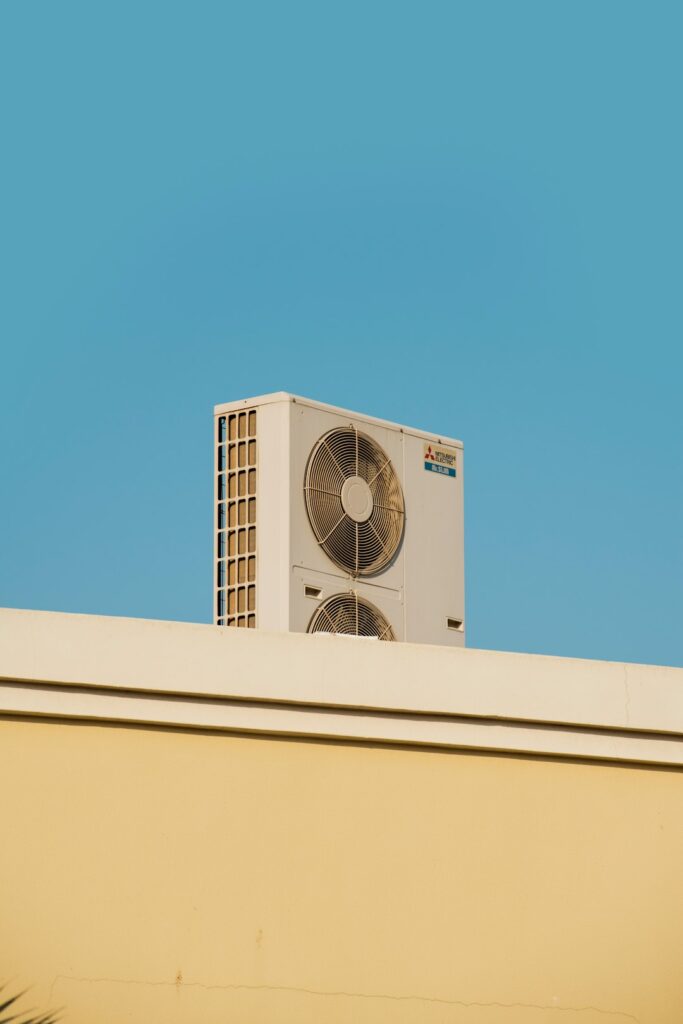
- Outside condensers choked by leaves, grass, or debris
- Refrigerant leaks, which can make air conditioning run constantly without cooling effectively
- Neglected annual system inspections

Fixing low-cost problems like filters or keeping shrubs trimmed around the outdoor unit often ends up saving more money than expected.
How Does Local Weather Impact Seasonal Energy Bills?
Madison’s climate is marked by steamy summers and occasional cold snaps in winter. This places unique demands on heating and air conditioning systems. During summer, high humidity means AC units not only cool air but also remove moisture, often running for long periods. In winter, rare but sharp freezes force heat pumps or electric heating to work extensively.
Weather impacts that can drive bills higher for local households:
- Prolonged heatwaves making air conditioners work continuously, especially during midday hours
- Extreme cold, which can make older electric heat strips or heat pumps run for many hours
- Thunderstorm power outages followed by systems “catching up,” leading to higher next-cycle consumption
Long, cloudy or rainy periods can push electric lighting use higher, especially when homes don’t have abundant natural daylight.
Can Small Issues Add Up to a Big Bill?
Even minor factors can combine to make a significant difference. Electronics and device chargers, exterior lights left on, clothes dryers run for small loads, or attic fans running needlessly—these might seem small individually but become noticeable on the bill.
Examples of easily missed but common contributors:
- Keeping backup refrigerators or freezers plugged in for occasional use
- Using heated flooring or heated towel racks through winter
- Running pool pumps continuously, rather than on a timer
Tracking the small but regular power draws around the house—especially during high-use months—often highlights unexpected areas to save.
Does Everyone in the Area Pay Similar Amounts?
High energy bills are a common concern across the Madison community, but costs can vary widely from one household to the next. Homes with similar square footage may have very different bills if one has updated insulation and appliances while another relies on outdated systems. Seasonal lifestyles—such as spending more time at home in the summer due to school breaks—can also impact total household usage.
Sharing benchmarks or comparing bills anonymously with local friends or neighbors is a helpful way to understand whether a specific bill is truly out of line or reflects typical seasonal patterns for the area.