

 See My Latest Article on HelloNation

Carbon monoxide, or CO, is a dangerous gas that cannot be seen, smelled, or tasted. In Madison, AL, the risk can increase during colder weather when homes use furnaces, fireplaces, gas water heaters, generators, and other fuel-burning equipment more often.
The safest approach is to understand how CO exposure happens, recognize warning signs, and use properly placed carbon monoxide alarms.
How can carbon monoxide be detected in a home?
The only dependable way to detect carbon monoxide is with a working carbon monoxide alarm. Human senses cannot identify it, and symptoms may initially resemble the flu, exhaustion, or a mild illness.
Carbon monoxide alarms should be installed:
- On every level of the home
- Outside each separate sleeping area
- Near bedrooms so the alarm can be heard at night
- In locations recommended by the alarm manufacturer
A combination smoke-and-CO alarm may be useful, but smoke alarms and carbon monoxide alarms serve different purposes. A home should have adequate protection for both hazards.
Do not place a CO alarm directly beside a fuel-burning appliance, in a bathroom, behind curtains, or near a window or heating and cooling vent. Excess moisture, drafts, and airborne particles can affect alarm performance.
What does a carbon monoxide alarm sound like?
A carbon monoxide alarm typically produces a repeating series of loud beeps, often four beeps followed by a pause. The exact pattern varies by model, so every household should read the alarm’s instructions and understand the difference between:
- A dangerous CO alarm
- A low-battery chirp
- An end-of-life signal
- A malfunction warning
A single occasional chirp does not usually mean the same thing as a full alarm pattern, but it should not be ignored. Replace batteries or the alarm as directed by the manufacturer.
Test each alarm monthly using its test button. Battery-powered alarms need fresh batteries according to the manufacturer’s schedule. Many alarms also have a limited service life and must be replaced after several years, even if they appear to work during testing.
What are the symptoms of carbon monoxide poisoning?
Common symptoms include:
- Headache
- Dizziness or weakness
- Nausea or vomiting
- Unusual tiredness or sleepiness
- Confusion
- Chest pain
- Shortness of breath
Symptoms may affect several people in the home at approximately the same time. They may also improve after leaving the house and return after going back inside.
Infants, older adults, pregnant people, and individuals with heart disease, anemia, or breathing conditions may be more vulnerable to serious effects. Pets can also become sick because they may show signs of exposure before people notice a problem.
Symptoms alone cannot confirm the presence of CO. A detector alarm or a pattern of illness affecting multiple occupants should be treated as a potential emergency.
What should you do if a carbon monoxide alarm sounds?
Leave the home immediately and move everyone, including pets, into fresh air. Do not stop to search for the source, silence the alarm, or open windows first if doing so delays evacuation.
Once outside:
- Call 911 or the local emergency number.
- Tell responders that a carbon monoxide alarm sounded or that CO exposure is suspected.
- Do not reenter until emergency personnel say it is safe.
- Seek medical attention if anyone has symptoms, even if those symptoms begin to improve outdoors.
Do not assume the alarm is false because nobody feels sick. Carbon monoxide exposure can develop gradually, and people who are sleeping may not recognize symptoms.
If the alarm sounds repeatedly after the home has been cleared, the source must be investigated before the building is occupied again. Resetting the alarm without determining why it activated can leave a serious hazard unresolved.
What household equipment can produce carbon monoxide?
Carbon monoxide is created when fuels do not burn completely. Possible sources include:
- Gas, oil, propane, or wood-burning furnaces
- Gas water heaters
- Fireplaces and wood stoves
- Gas ranges or ovens
- Portable generators
- Charcoal grills
- Lawnmowers and other small engines
- Vehicles operating in or near enclosed areas
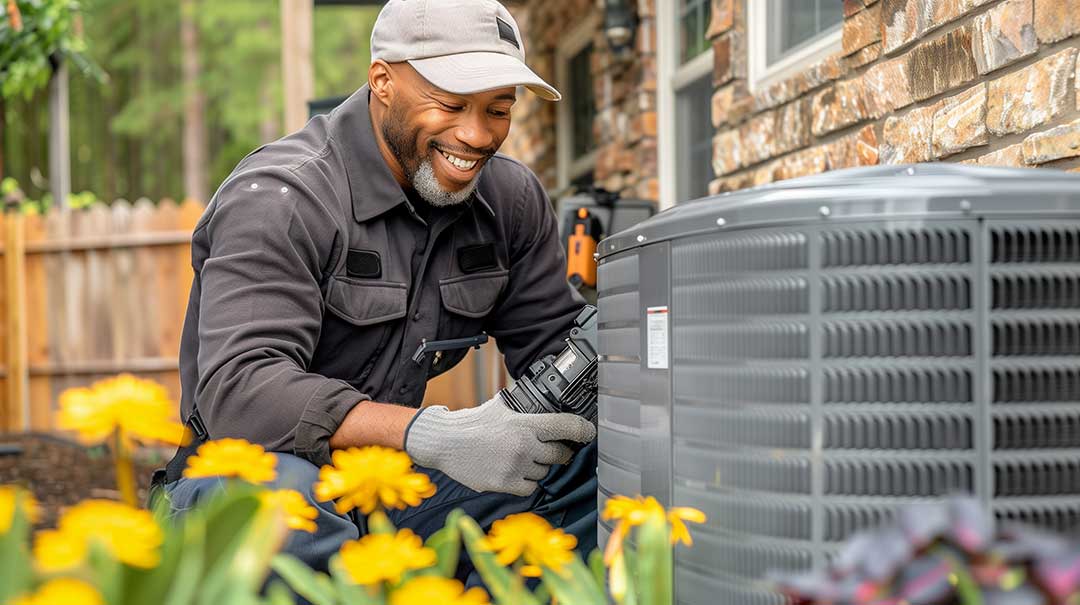
Electric heating equipment does not produce CO by itself, but an all-electric home may still be exposed if a vehicle, generator, fireplace, or neighboring fuel-burning appliance introduces exhaust indoors.
During power outages, generator placement is especially important. A generator must operate outdoors, far from doors, windows, and other openings. Running one inside a garage, carport, crawl space, basement, or enclosed porch can allow deadly concentrations of CO to build up quickly.
Never use a charcoal grill, camp stove, or fuel-burning outdoor appliance indoors, even if a window or door is open.
How can heating equipment create a CO hazard?
A furnace or water heater can become hazardous if its venting is blocked, damaged, disconnected, improperly installed, or affected by backdrafting. Exhaust gases may then enter living spaces instead of leaving the home.
In the local climate, heating systems may sit unused through much of the warmer part of the year before being turned on during the first cool periods. Before regular seasonal use, residents should make sure outdoor exhaust outlets are not blocked by leaves, nests, stored items, or other debris.
Warning signs that deserve attention include:
- Soot or dark staining around a furnace, fireplace, or vent
- Rust or water damage near venting
- A yellow or flickering burner flame where a steady blue flame is expected
- Excessive condensation near windows or walls
- Unexplained headaches or nausea that occur indoors
- An alarm that activates without an obvious reason
These signs do not prove that CO is present, but they warrant leaving the area if symptoms or an alarm are involved and having the equipment evaluated before continued use.
Can a home have carbon monoxide without a gas furnace?
Yes. A gas furnace is only one possible source. CO can come from a fireplace, gas water heater, generator, vehicle, grill, or small engine.
A home with electric heating still needs carbon monoxide alarms because fuel-burning equipment may be used occasionally or located nearby. Attached garages are another concern. A vehicle should never be left running inside an attached garage, even with the garage door open.
Carbon monoxide can also enter from equipment operating close to windows, doors, crawl-space openings, or ventilation intakes. Outdoor equipment should be positioned well away from the home and operated exactly as instructed.
How should households reduce the risk?
A practical safety routine includes:
- Install CO alarms on every level and outside sleeping areas.
- Test alarms monthly.
- Replace batteries and alarms according to manufacturer instructions.
- Keep outdoor appliance exhaust areas clear.
- Arrange annual inspection of fuel-burning heating equipment and venting.
- Never use generators, grills, or fuel-burning camp equipment indoors.
- Do not warm up vehicles in garages.
- Teach children and overnight guests what the alarm sounds like.
- Keep the alarm instructions available for reference.
Carbon monoxide safety depends on both detection and prevention. A properly maintained alarm provides an early warning, while safe use of heating equipment, generators, fireplaces, and vehicles reduces the chance that dangerous exhaust will enter the home.